

The Supermarket Bin That Actually Makes A Difference, If You Use It Right
Most UK households have a store drop-off point for soft plastics within reach. What goes in matters most: the type of material, combined with keeping it clean and dry, determines whether it gets recycled.
The bin is easy to walk past.
It is usually near the entrance of the supermarket, labelled something like "soft plastic recycling." Tesco has them across its larger stores. Sainsbury's, Waitrose, and Marks and Spencer do too. Most people have seen one. Fewer people use them regularly, and fewer still think carefully about what goes in.
But for the majority of UK households, this store drop-off bin is currently the only realistic option for keeping soft plastics out of the general waste. England's kerbside collection is not due until March 2027. Until then, the supermarket bin is the primary route available.
Used well, it works. Understanding what makes it work well is what turns an occasional good intention into an effective, consistent habit.
The most important factor is what goes in. These bins are for clean, dry, scrunchable soft plastics: bread bags, crisp packets, frozen food wrappers, salad bags, plastic film, and most flexible food packaging. What causes the most problems is not simply contamination but the wrong material type entirely: compostable plastics, hard plastics, and paper packaging do not belong in these bins, regardless of how clean they are. Sorting correctly by material type is the primary factor that determines whether collected material can actually be recycled, with cleanliness and dryness being equally necessary conditions alongside it.
In practical terms, a soft plastic is recyclable from the moment it is correctly separated from the general waste bin. The journey from that decision to a recycled end product depends on the material being the right type, clean, and dry.
An investigation by the Environmental Investigation Agency and Everyday Plastic, which tracked soft plastics deposited at Tesco and Sainsbury's stores across England between 2023 and 2024, found that a significant portion of collected material ended up in energy recovery rather than being recycled. Wrong material types and contamination were the primary causes. Well-sorted, clean, dry material is what makes the full recycling pathway viable.
A quick check of what the packet says, and a rinse if needed, goes a long way. Most flexible food packaging that can be scrunched into a ball and is free from food residue is accepted. Packaging that is heavily soiled or made from the wrong material type usually is not.
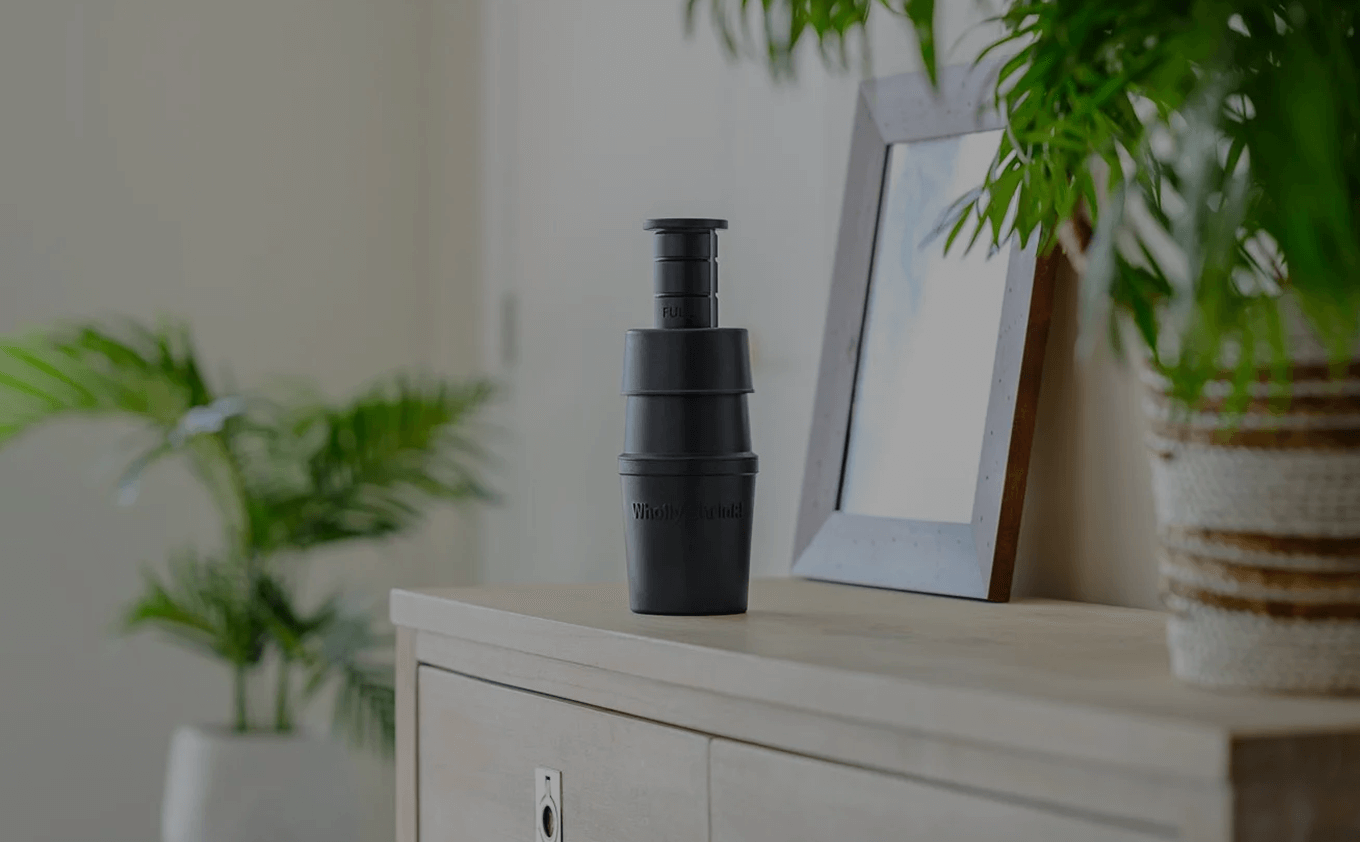
The second factor is quantity. A household that accumulates two or three weeks' worth of clean soft plastics before visiting has provided material that is useful to the processors who depend on consistent volume. A single crisp packet dropped in on a passing visit still helps, but the drop-off habit is most effective when it involves bringing a meaningful amount each time. That means the habit works best when storage at home is manageable. Soft plastics are bulky, and keeping a growing collection tidy enough to transport requires a container that stays under control. The Shrinker! reduces this friction: compressing loose packaging into dense nuggets means a fortnight's worth fits in a small container rather than a large, unwieldy bag. The drop-off trip becomes tidier and the habit becomes easier to maintain between visits.
Dropping off at a supermarket bin is one of the simplest environmental actions available to most UK households. It does not cost anything. It does not require a registration or a special collection. It just requires a clean bag, a regular shopping trip, and the small discipline of keeping the two connected.
For anyone who has ever stood at the kitchen bin feeling guilty about a crisp packet, the drop-off bin at the supermarket entrance is the most straightforward answer currently available. Used consistently, it builds exactly the separation habit that will make kerbside collection straightforward when it arrives. Most people find that once the routine is established, it becomes a small and unremarkable part of weekly life rather than anything that requires ongoing effort or attention.
Scotland, Wales, and Northern Ireland operate their own recycling frameworks. Households outside England should check their local council guidance for what is available and when.

